The Essential Guide to Couplings Types, Applications, and Selection
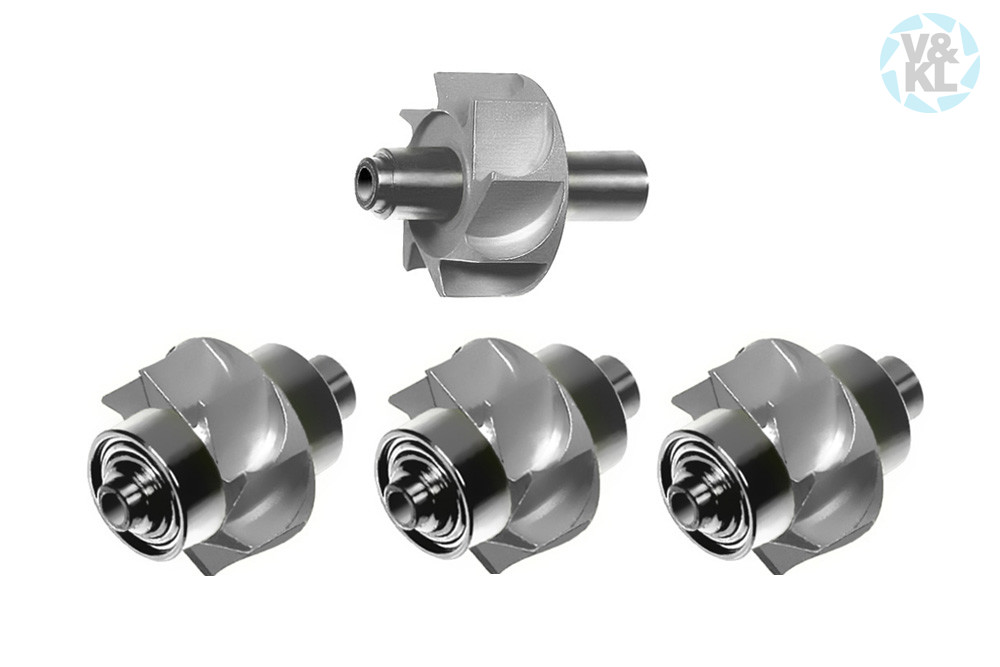
The Essential Guide to Couplings: Types, Applications, and Selection
Couplings are vital mechanical components used to connect two shafts together, facilitating the transfer of power and motion in various applications. They play a crucial role in ensuring the smooth operation of machinery in industries ranging from manufacturing to dentistry. In this comprehensive guide, we will explore the types of couplings, their applications, and the factors to consider when selecting the right coupling for a specific application. For a wide range of couplings, you can visit https://dental-rotors.com/product-category/couplings/.
Understanding Couplings
Couplings are mechanical devices that join two rotating shafts while allowing a certain amount of relative motion. These components can accommodate misalignment, provide flexibility, and dampen vibration, making them essential for the efficient operation of machinery. The choice of coupling can significantly affect the performance and longevity of the equipment it serves.
Types of Couplings
There are several types of couplings, each with unique characteristics that make them suitable for specific applications.
1. Rigid Couplings
Rigid couplings are used to connect two shafts that are accurately aligned. They do not allow for any misalignment, which means that they should only be employed in applications where precision is essential. Common types include split couplings and muff couplings.
2. Flexible Couplings
Unlike rigid couplings, flexible couplings can accommodate misalignment between shafts. They provide a degree of flexibility, allowing them to absorb shock loads and vibrations. Examples include elastomeric couplings, gear couplings, and chain couplings.
3. Fluid Couplings
Fluid couplings transfer power through a hydraulic fluid. They are commonly used in applications such as automotive transmissions and industrial drives. Fluid couplings can provide smooth acceleration and are effective in starting heavy loads.
4. Magnetic Couplings
Magnetic couplings utilize magnetic fields to transmit torque, making them ideal for applications requiring a hermetic seal or when contact-free operation is critical. They are often found in pumps and conveyor systems.
5. Bellows Couplings
Bellows couplings offer durability and flexibility. They are characterized by their bellows design, enabling them to handle angular, axial, and radial misalignment. These couplings are commonly used in robotic applications and precision machinery.
Applications of Couplings
Couplings are employed in diverse industries, including manufacturing, automotive, aerospace, and healthcare. Here’s a closer look at their applications:
1. Manufacturing
In manufacturing, couplings are used in conveyor systems, pumps, and various machinery. They ensure that the equipment operates smoothly and efficiently, minimizing downtime and maintenance costs.

2. Automotive
Couplings are critical components in automotive applications, particularly in connecting the engine to the transmission. They also help in managing vibrations and ensuring that power is transmitted effectively.
3. Aerospace
In the aerospace industry, reliability is everything. Couplings are used in various systems, including hydraulic and electronic control systems, where precise power transmission is essential.
4. Healthcare and Dentistry
Specialized couplings are utilized in dental equipment and other healthcare devices. They ensure the effective operation of handpieces and other tools, providing both safety and efficiency.
Factors to Consider When Selecting Couplings
Choosing the right coupling involves careful consideration of various factors to ensure optimal performance. Here are some key points to keep in mind:
1. Shaft Alignment
Determine whether the shafts are perfectly aligned or if some misalignment is expected. This will dictate whether a rigid or flexible coupling should be selected.
2. Torque and Load Requirements
Assess the torque and load that the coupling will need to transmit. Understanding the maximum load conditions is crucial for ensuring proper coupling selection.
3. Environmental Conditions
Consider the operating environment, including temperature, humidity, and presence of chemicals. This will help identify materials that can withstand the specific conditions.
4. Vibration and Shock Loads
If the application involves heavy vibrations or shock loads, a coupling that can absorb and dampen these forces should be chosen to prolong the life of the equipment.
5. Installation and Maintenance
Evaluate how easy it is to install and maintain the coupling. Some couplings require specialized tools or expertise, which may affect the overall cost of ownership.
Conclusion
Couplings are essential components in many mechanical systems, providing solutions for power transmission while accommodating misalignment and vibrations. Understanding the various types of couplings and their applications will enable you to select the right component for your specific needs. Always consider the operating conditions, performance requirements, and the intended application when making your selection. Whether for high precision machinery, automotive applications, or specialized healthcare equipment, the right coupling will ensure optimal performance and longevity of your systems.
Alle blog berichten